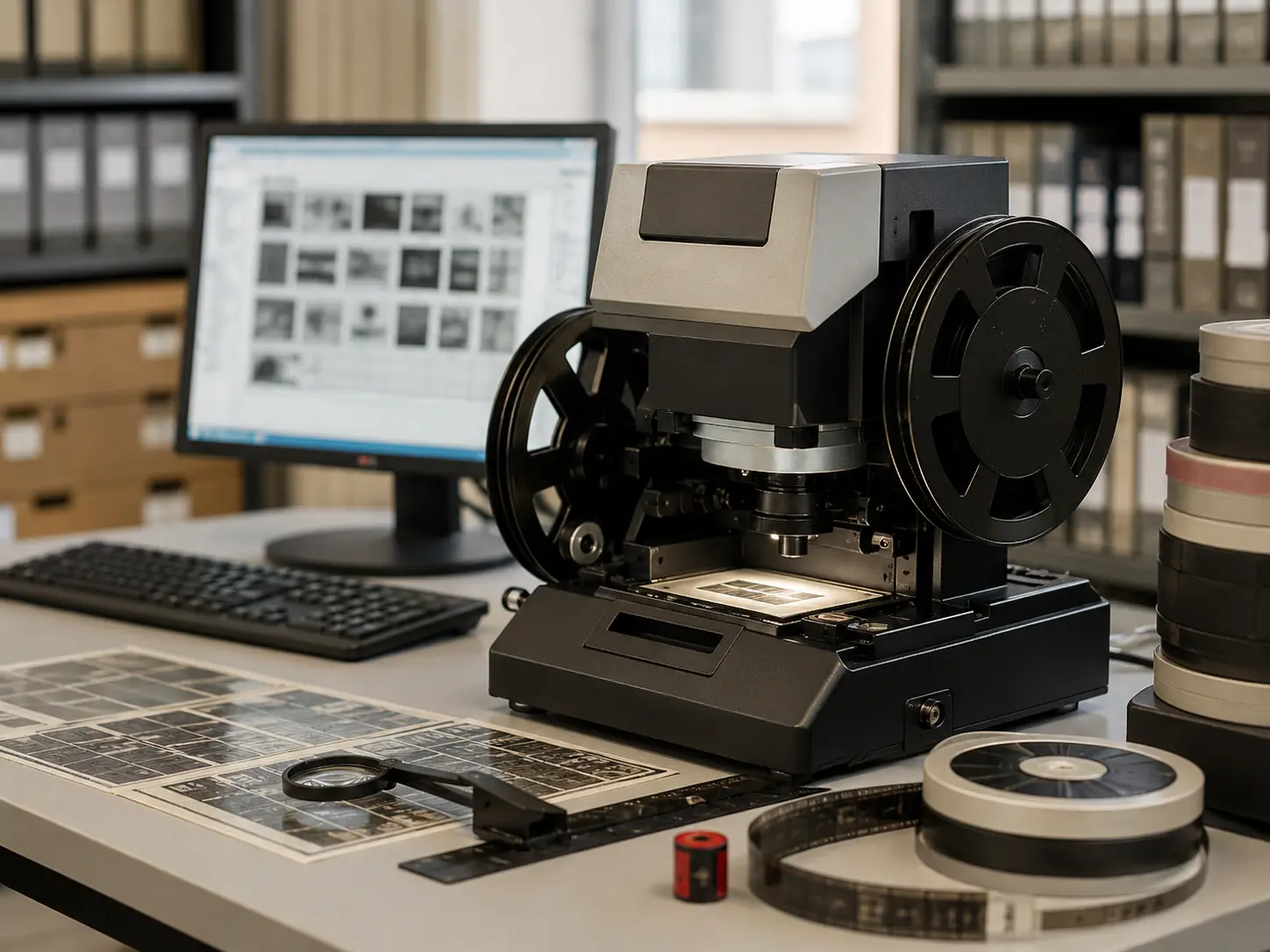
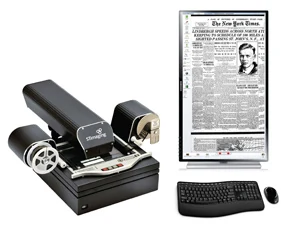
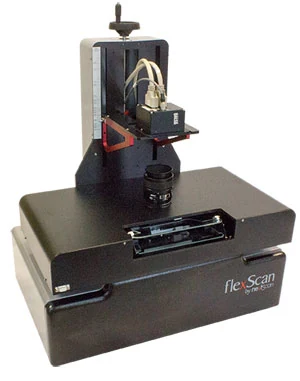
Microfilm is captured through a camera lens onto film coated with a light-sensitive silver-halide emulsion, then chemically developed to fix a stable, negative image. Correctly stored, microfilm rolls are extremely stable and can survive up to 500 years — an analogue medium, independent of any software or hardware, so it carries none of the technological-obsolescence risk of digital-only storage. It's also space-efficient: converting paper files to microfilm typically reduces physical storage volume by around 98%, while retaining full legal validity under the international standards governing paper replacement and long-term archival storage. Mathenson converts microfilm, microfiche and analogue archives to digital formats, and can convert digital records to microfilm for long-term preservation, including for loose or bound originals unsuited to standard handling — the kind of material typically found in libraries and archives.
Typical scope
- Microfilm and microfiche digitisation to image or PDF
- Digital-to-microfilm conversion for long-term preservation
- Duplication on silver-salt film (archival-grade, faithful to the original) or diazo film (distribution copies for readers and hardcopies)
- Condition assessment and handling suited to fragile, loose or bound historical material
- Organised digital or film outputs to your specification